Small Space, Big Impact: Clever Extension Ideas for Compact Sydney Homes
Transform your compact Sydney home with clever extension ideas. Discover space-saving solutions, innovative designs, and practical tips to maximise small properties whilst adding value.

Serenity Building Group
12 min read
Key Takeaways
- Vertical extensions offer excellent expansion opportunities when horizontal space is limited, typically costing $2,800-$4,500 per square metre
- Micro extensions and bump-outs can significantly improve functionality even with additions of just 1-2 metres to existing rooms
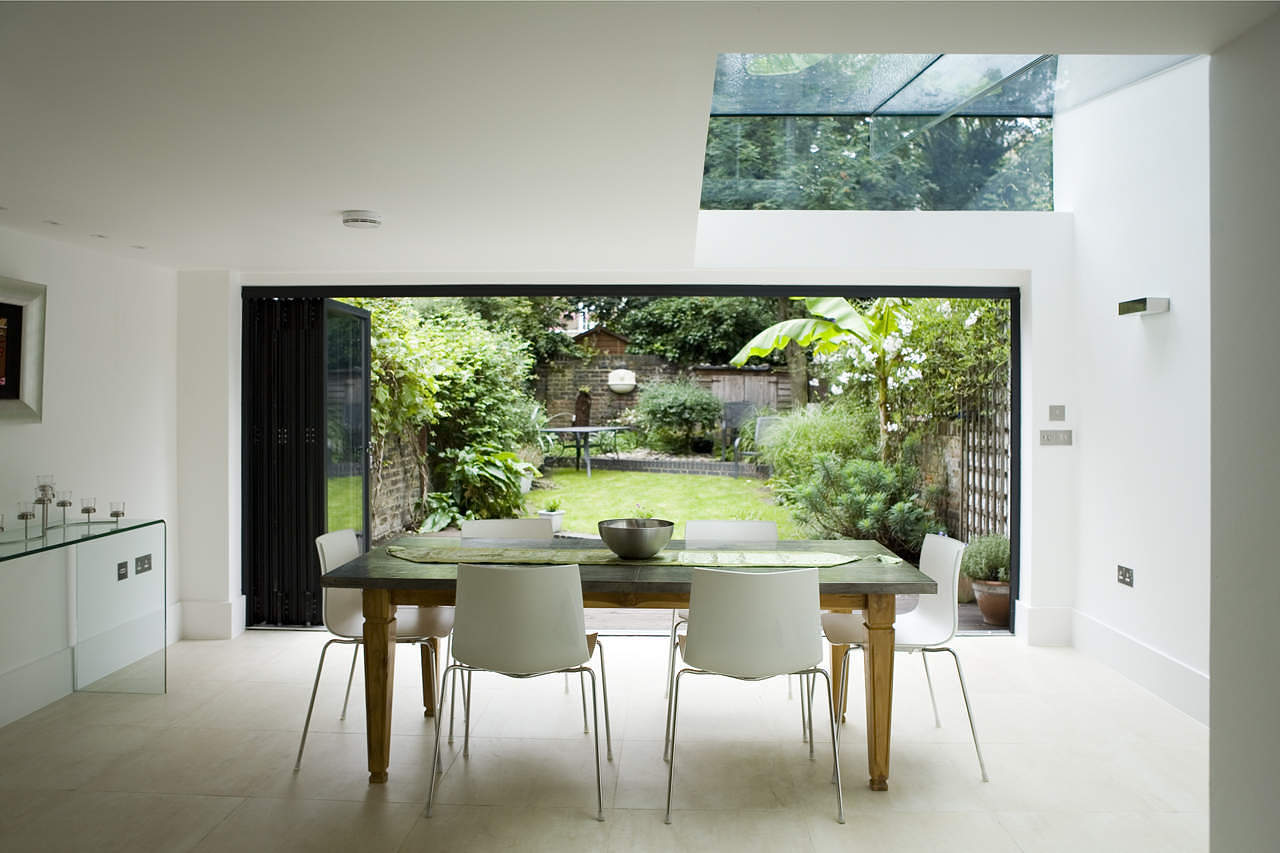
- Glass extensions maximise natural light and create illusions of space whilst maintaining connection to outdoor areas
- Built-in storage solutions can save 1-4 square metres of floor space whilst improving functionality and organisation
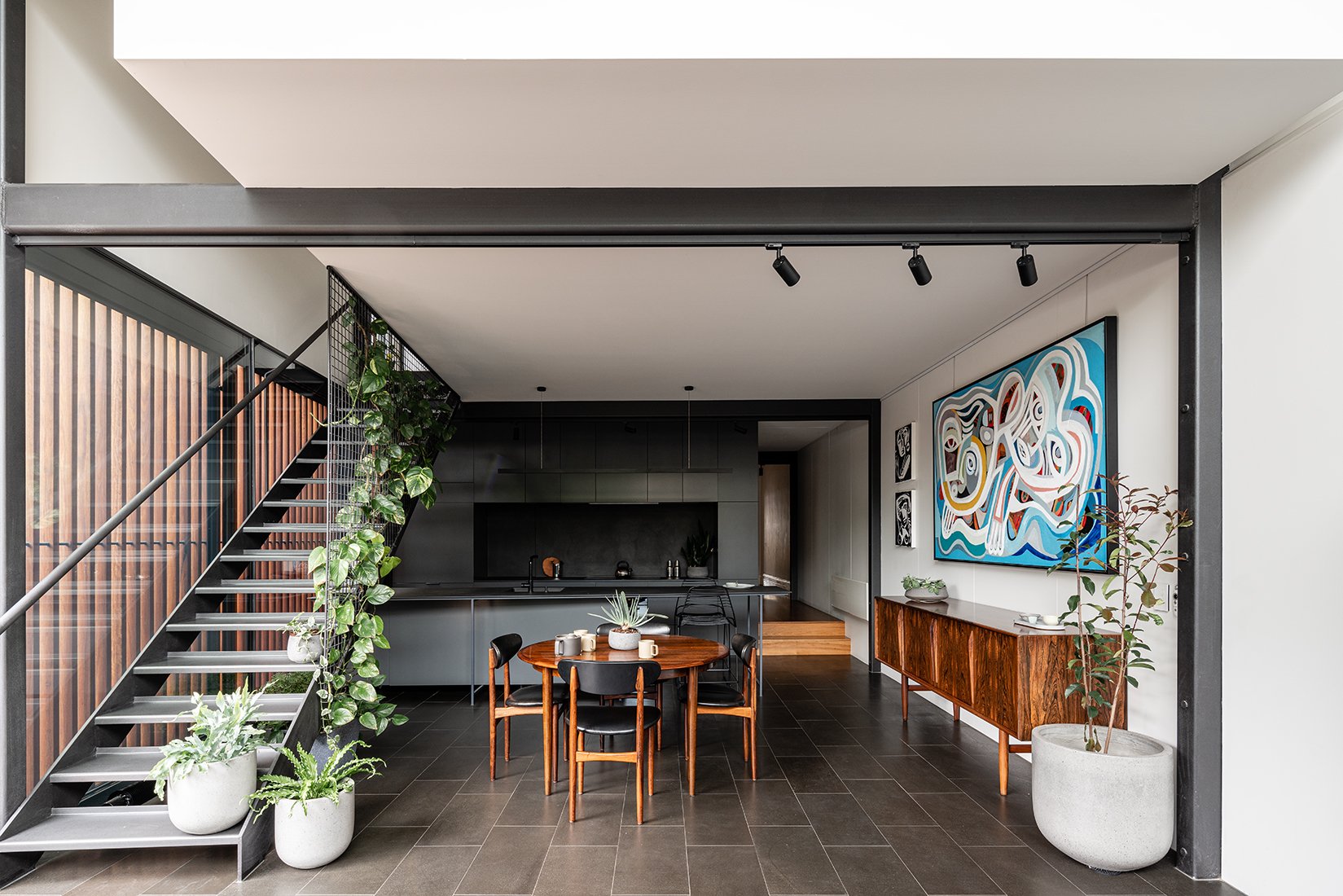
- Open-plan design removes barriers and creates flexible spaces that feel larger than their actual square meterage
- Many small extensions qualify for Complying Development approval, providing faster and more cost-effective approval processes
- Phased development allows homeowners to spread costs over time whilst enjoying immediate benefits from initial improvements
Maximising Compact Sydney Homes Through Smart Extensions
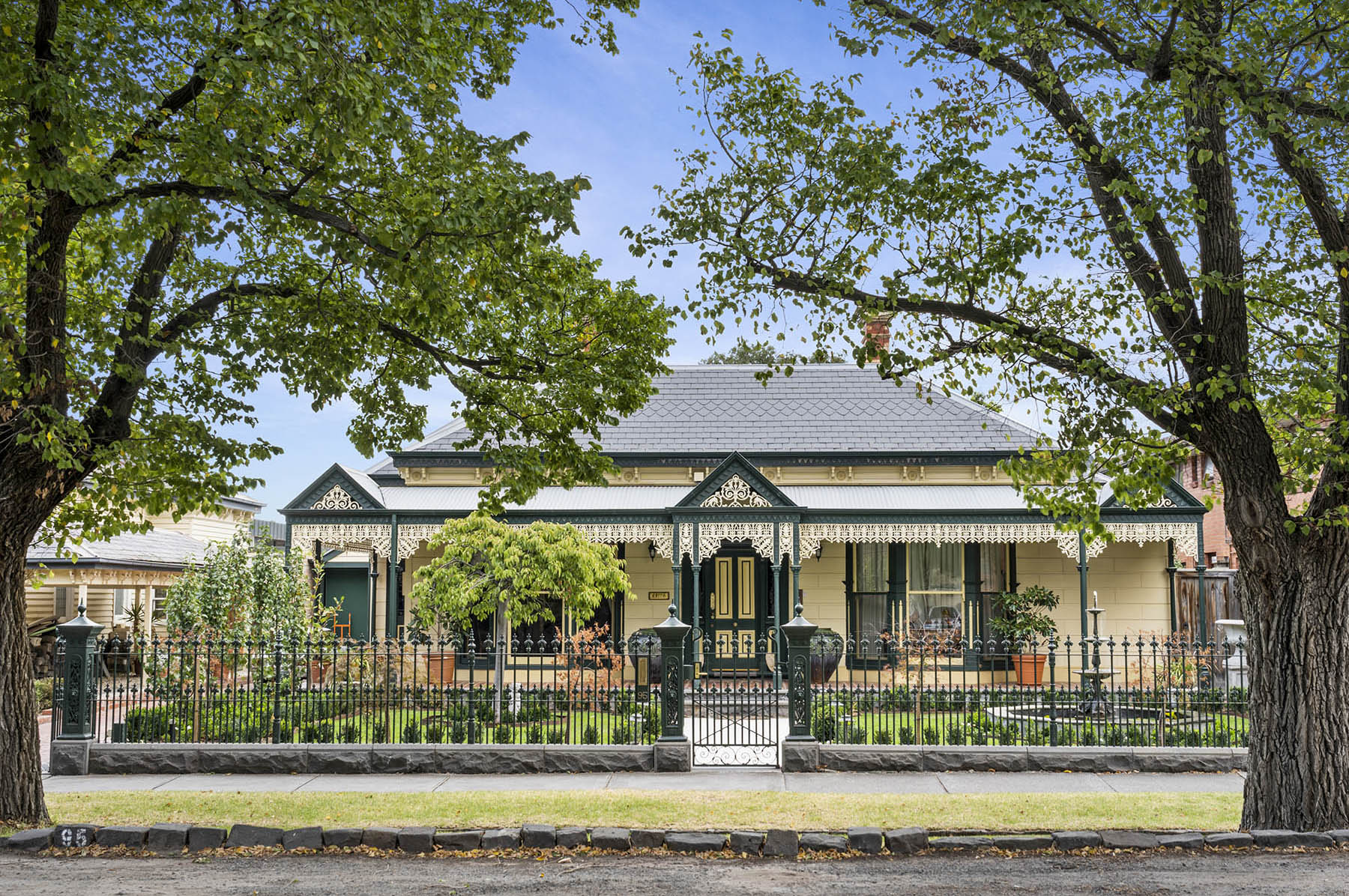
Sydney's property market has seen a growing trend towards compact living, with many homeowners looking to maximise their smaller properties. Whether you own a narrow terrace, a small unit, or a compact cottage, strategic extensions can dramatically increase living space, functionality, and property value without the need to relocate.
At Serenity Building Group, we specialise in creative extension solutions for compact Sydney homes. Our innovative approaches help homeowners transform limited spaces into functional, beautiful environments that exceed their spatial constraints whilst working within planning regulations and budget considerations.
Understanding Small Space Extension Challenges
Extending compact homes presents unique challenges that require creative solutions and expert planning. Understanding these limitations helps develop realistic expectations and innovative approaches to space maximisation.
Planning and Regulatory Constraints
Small properties often face strict limitations that affect extension possibilities:
Site coverage restrictions: Maximum allowable building footprint on the site
Setback requirements: Minimum distances from boundaries and neighbouring properties
Height restrictions: Maximum building heights in residential areas
Floor space ratio limits: Total floor area relative to site size
These regulations require careful planning to maximise available space within permitted parameters, making expert design essential for successful small space extensions.
Structural and Site Limitations
Compact properties often present structural challenges that influence extension design:
Limited outdoor space: Minimal yard area for traditional extensions
Shared walls: Terraces and units require careful consideration of party walls
Access restrictions: Narrow side access limiting construction options
Foundation constraints: Existing foundations may limit structural modifications
Clever Extension Ideas for Small Sydney Homes
Creative extension solutions can transform compact homes by utilising vertical space, optimising layouts, and incorporating multi-functional design elements.
Vertical Extensions and Loft Conversions
When horizontal space is limited, building upwards offers excellent opportunities for expansion:
Loft conversions: Transform unused roof space into bedrooms or study areas
Second storey additions: Add entire levels above single-storey homes
Mezzanine levels: Create intermediate floors in high-ceiling areas
Rooftop terraces: Utilise roof space for outdoor living areas
Vertical extensions typically cost $2,800-$4,500 per square metre and can add significant floor area whilst maintaining garden space.
Micro Extensions and Bump-Outs
Small additions can have substantial impact on functionality and feel:
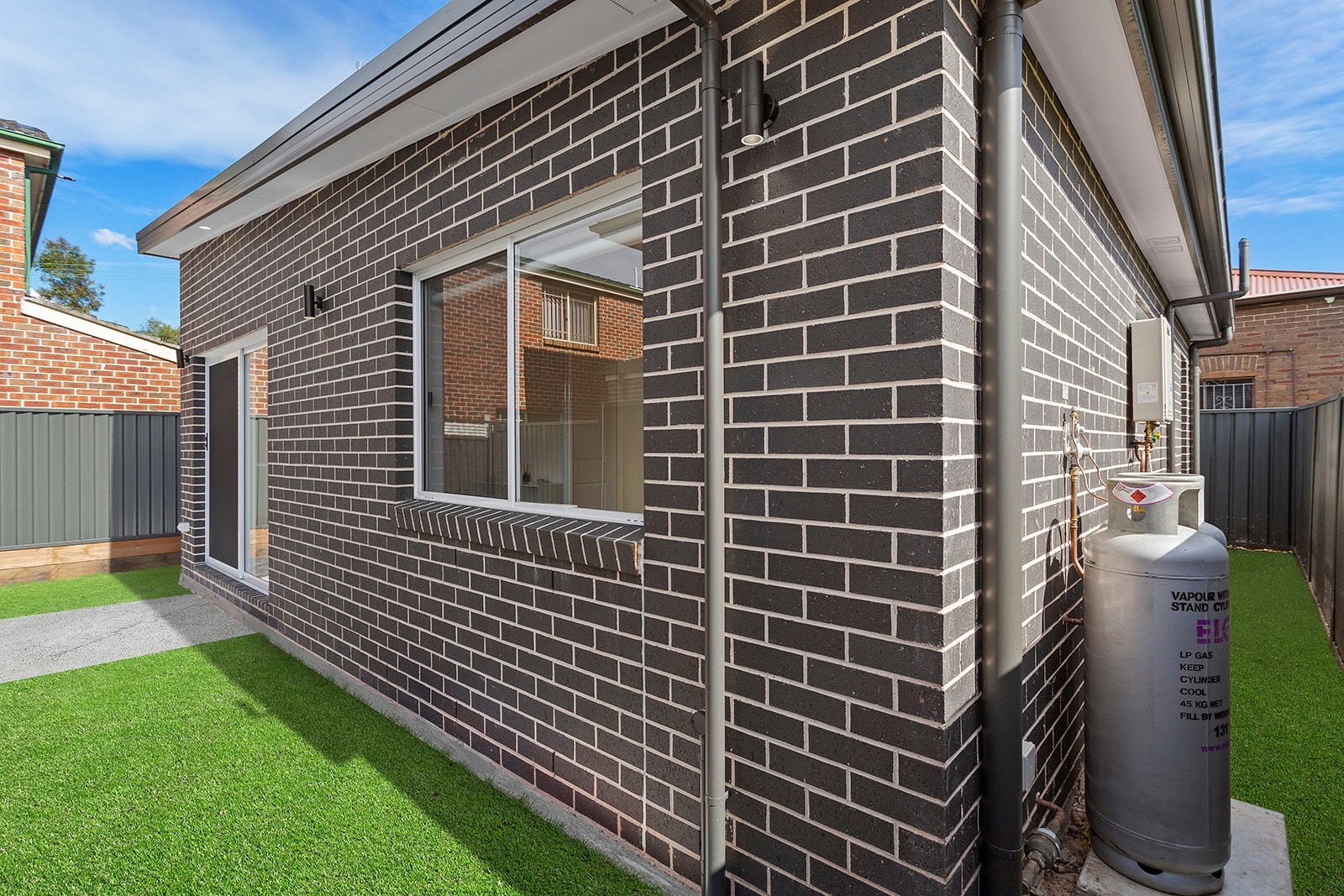
Kitchen bump-outs: Extend kitchens by 1-2 metres for additional bench space
Window seat extensions: Create cosy reading nooks whilst adding storage
Bathroom extensions: Expand cramped bathrooms for improved functionality
Entrance extensions: Create welcoming entry spaces and storage
Glass Extensions and Light Wells
Transparent extensions maximise light and create illusions of space:
Glass box extensions: Contemporary additions that flood interiors with light
Conservatory-style extensions: Affordable glass additions for dining or living areas
Light wells: Bring natural light into previously dark areas
Skylights and roof windows: Vertical light sources for compact spaces
Space-Maximising Design Strategies
Effective small space design relies on clever planning that makes every square metre count through multi-functional solutions and intelligent storage integration.
Open-Plan Living Solutions
Removing internal walls creates flexible, larger-feeling spaces:
Kitchen-dining-living combinations: Create spacious entertaining areas
Flexible room dividers: Sliding walls that adapt to different needs
Multi-level spaces: Use split levels to define areas without walls
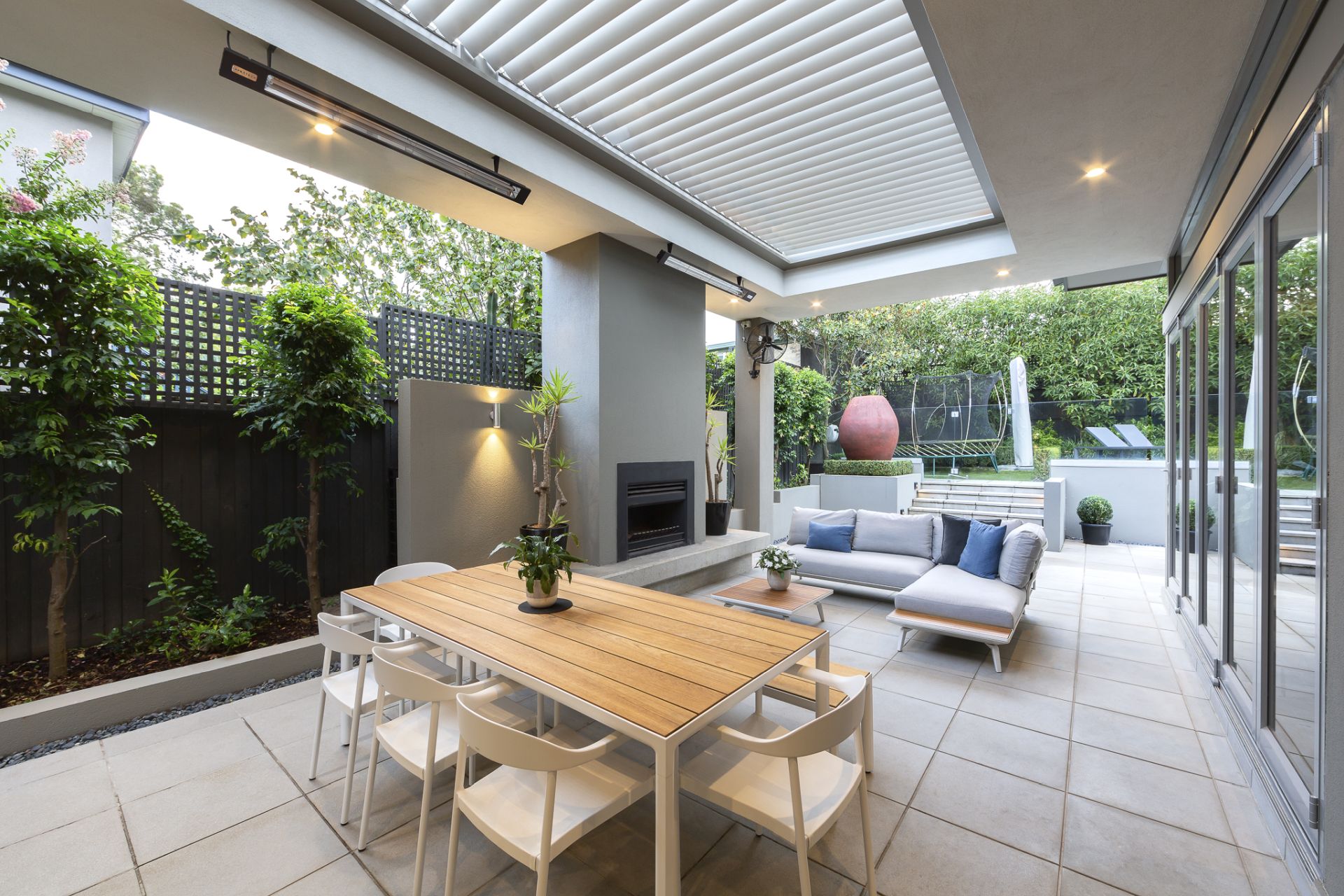
Indoor-outdoor integration: Extend living spaces to outdoor areas
Built-In Storage Solutions
Custom storage maximises functionality without compromising floor space:
Storage Solution | Space Saved | Cost Range |
|---|---|---|
Under-stair storage | 2-4m² floor space | $3,000-$8,000 |
Built-in wardrobes | 1-2m² floor space | $2,500-$6,000 |
Kitchen storage walls | Maximises functionality | $8,000-$15,000 |
Window seat storage | Creates seating + storage | $2,000-$5,000 |
Multi-Functional Room Design
Designing rooms that serve multiple purposes maximises utility in compact homes:
Guest room-offices: Combine spare bedrooms with home office functionality
Dining-study combinations: Tables that serve dining and work needs
Living-guest room flexibility: Sofa beds and convertible furniture
Utility-storage rooms: Laundries that double as storage areas
Cost-Effective Small Space Extension Approaches
Budget considerations are crucial for small space extensions, where maximising value while controlling costs requires strategic planning and smart material choices.
Phased Development Strategies
Breaking extensions into phases allows homeowners to spread costs whilst enjoying immediate benefits:
Stage 1: Essential structural work and weatherproofing
Stage 2: Internal fit-out and services installation
Stage 3: Finishing touches and landscaping
Future stages: Additional improvements as budget allows
Smart Material Selection
Choosing materials that provide maximum impact for investment helps control costs:
Engineered timber flooring: Cost-effective alternative to solid hardwood
Laminate benchtops: Modern alternatives to stone surfaces
Standard window sizes: Avoid custom windows to reduce costs
Painted finishes: Fresh, contemporary appearance at lower cost
Planning Considerations for Small Extensions
Successful small space extensions require careful planning that considers both immediate needs and future flexibility whilst working within regulatory frameworks.
Navigating Council Approvals
Many small extensions can proceed under complying development, streamlining the approval process:
Complying Development Certificates (CDC): Faster approvals for standard extensions
Development Applications (DA): Required for more complex or larger extensions
Exempt development: Very minor works that require no approval
Pre-lodgement meetings: Council consultations to clarify requirements
Neighbour Relations and Privacy
Compact sites require careful consideration of neighbouring properties:
Privacy screening: Protecting both your property and neighbours
Overshadowing analysis: Ensuring extensions don't adversely affect neighbours
Noise management: Construction timing and ongoing operation considerations
Communication: Early discussion with neighbours about planned works
Future Flexibility and Adaptability
Designing extensions with future needs in mind ensures long-term value and functionality as family circumstances change.
Adaptable Design Elements
Incorporating flexibility into small space extensions accommodates changing needs:
Removable partitions: Walls that can be relocated as needs change
Universal design principles: Accessibility features for aging in place
Pre-wired infrastructure: Electrical and data cabling for future technology
Structural capacity: Designing for potential future modifications
Conclusion: Transforming Compact Homes Through Smart Design
Small space extensions offer tremendous opportunities to transform compact Sydney homes into functional, beautiful spaces that exceed their size limitations. Through creative design, strategic planning, and expert execution, even the smallest properties can be enhanced to provide comfortable, practical living environments.
At Serenity Building Group, we're passionate about maximising the potential of compact homes. Our innovative design approaches and construction expertise ensure your small space extension delivers maximum impact whilst respecting your budget and timeline requirements.
Ready to transform your compact home?
Contact our small space extension specialists
for a consultation focused on maximising your property's potential through clever, creative design solutions.

Serenity Building Group
Sydney Renovation, Fitout & Remedial Building Specialists
Serenity Building Group is a licensed Sydney building company focused on renovations, extensions, apartment upgrades, commercial fitouts, remedial works and insurance repairs. The team works with homeowners, property investors, strata managers and commercial property owners who need clear planning and careful project delivery in existing properties.